Sign language for build opens a window into how diverse cultures express the act of construction and creation. This guide explores the nuanced ways sign languages represent the concept of “build,” encompassing everything from literal construction to metaphorical growth and development. We delve into specific signs for various building materials, processes, and even cultural contexts, highlighting the unique expressions found across different sign language communities.
From the fundamental signs for “build” in different languages to the intricate gestures signifying construction materials and processes, this exploration provides a detailed overview of how sign language effectively communicates the complex world of building. This framework will aid sign language learners and interpreters in comprehending and conveying the multifaceted nature of “build” across different settings.
Defining “Build” in Sign Language: Sign Language For Build
Understanding the concept of “build” in sign language requires more than just a single gesture. Different sign languages, like American Sign Language (ASL) and British Sign Language (BSL), employ unique handshapes, movements, and facial expressions to convey the nuances of this versatile verb. This exploration will delve into the variations in representing “build” across various sign languages, considering how the sign changes depending on the context, from constructing a physical structure to developing a career.Sign languages are rich and dynamic visual-gestural languages, not just a collection of isolated signs.
The meaning of “build” in sign language is context-dependent, and the specific sign used will vary according to the intended meaning. This is crucial to avoid misunderstandings and convey the intended concept accurately.
Variations in “Build” Across Sign Languages
Different sign languages have their unique ways of expressing the general concept of “build.” The precise handshapes, movements, and placement of the hands in space will differ. These subtle variations are vital in understanding the specific context of the action being described.
Sign for “Build” in Different Contexts
The sign for “build” can take on distinct forms depending on whether it refers to constructing a physical structure or developing something intangible, such as a career. For example, when signing about building a house, the sign might incorporate movements that suggest the stacking or arranging of blocks or materials. In contrast, the sign for “build” in the context of a career might involve signs for “growth,” “advancement,” or “development.”
Combining Signs for Complex Ideas
The sign for “build” can be combined with other signs to express more intricate ideas related to construction. For instance, combining the sign for “build” with the sign for “house” will convey the concept of constructing a house. Similarly, combining “build” with signs for “career,” “skills,” and “knowledge” will express the idea of building a successful career.
Comparison Table of “Build” Signs
| Sign Language | Sign Description | Visual Representation (Description) |
|---|---|---|
| American Sign Language (ASL) | A downward motion of the dominant hand, palm facing down, starting from chest level and ending at a lower position, while the other hand follows in a similar downward motion. | Imagine a hand (palm down) moving downward from the chest, followed by a second hand, also palm down, moving similarly. |
| British Sign Language (BSL) | A circular motion with the dominant hand, starting from the chest and moving outwards in a wide circle, palm facing outward. | Visualize a hand (palm outward) making a circular motion starting from the chest, expanding outward. |
| French Sign Language (LSF) | A series of tapping motions with the dominant hand on the lower part of the body (waist area). | Picture the hand tapping repeatedly on the lower part of the body, like on the waist. |
Sign Language for Construction Materials
Sign language for construction materials extends the versatility of the language, enabling clear communication about the physical aspects of building. This detailed exploration will cover the signs for various construction materials, their modifications for size, shape, and quantity, and actions related to their use. It will also encompass signs for common construction tools and how these signs can be used in sequences to illustrate construction processes.Sign language for construction materials provides a crucial communication tool for deaf individuals working in or interacting with the construction industry.
Accurate and detailed sign language facilitates effective collaboration, safety, and overall project success.
Signs for Common Construction Materials
Understanding the signs for common building materials is fundamental to effectively communicating about them in sign language. This section details the signs for key construction materials, along with modifications to indicate size, shape, and quantity.
| Material | Sign Description | Size/Shape Modification | Quantity Modification |
|---|---|---|---|
| Wood | A flat hand is held horizontally, resembling a plank of wood. The hand can be moved slightly back and forth to emphasize the length of the wood. | A larger hand gesture signifies a larger piece of wood; a smaller hand gesture, a smaller piece. A cupped hand can represent a specific shape, such as a beam or a board. | Repeated gestures or using numbers with the hands can indicate the quantity of pieces of wood. |
| Brick | A fist is held in front of the body, with the thumb and index finger slightly apart to represent the shape of a brick. | Varying the size of the fist or the space between the thumb and index finger can indicate the size of the brick. | Using numbers with the hands can signify the number of bricks. Showing a pile of bricks might be used for a large quantity. |
| Concrete | A cupped hand is used, and the hand is held slightly away from the body, suggesting a poured material. | A wider cupped hand might indicate a larger amount of concrete, while a smaller cupped hand would signify a smaller amount. Different hand shapes can show different forms of concrete, such as blocks or slabs. | The number of cupped hands or showing the quantity with numbers can indicate the amount. A large pouring motion can indicate a large quantity. |
| Steel | A straight hand is held with fingers together, representing a bar or rod of steel. | The length of the extended hand can show the size of the steel. Curving the hand might indicate a specific shape of steel, like a rebar. | Repeating the sign for steel or using number signs will show the amount of steel bars or rods. |
Signs for Actions Related to Construction Materials
Effective communication about construction activities requires understanding the signs for actions involved with the materials. These actions include sawing, hammering, and mixing.
- Sawing: A sawing motion is depicted by using a sawing motion with the hand, mimicking the back-and-forth motion of a saw. The speed of the motion can indicate the speed of sawing. The material being cut can be shown in the hand.
- Hammering: A hammering action is done by striking the palm of one hand against the other, imitating the action of a hammer. The force and speed of the strike can indicate the intensity and speed of hammering. The material being hammered can be held in the hand.
- Mixing: A mixing action is performed by using circular motions with both hands, showing a mixing motion. The speed and intensity of the motions can signify the speed and thoroughness of mixing. The materials being mixed can be shown in the hands.
Signs for Construction Tools
Knowing the signs for tools used in construction is essential for detailed communication. This section Artikels signs for common tools, including their variations.
| Tool | Sign Description | Variations |
|---|---|---|
| Hammer | A hammering action is performed by striking the palm of one hand against the other. | The size of the striking motion can indicate the size of the hammer. |
| Saw | A sawing motion is performed by using a sawing motion with the hand, mimicking the back-and-forth motion of a saw. | Different types of saws (e.g., hand saw, circular saw) can be shown by the shape of the hand or by adding a description. |
| Drill | A drilling motion is performed by using a circular motion with one hand, while the other hand can indicate the drilling bit. | The speed of the motion can show the speed of the drilling. The size of the drilling motion can signify the size of the drill bit. |
Examples of Sign Sequences
Describing a construction process requires combining several signs. This section provides examples of sequences to illustrate a construction process.
- Example 1: To describe cutting a piece of wood with a saw, the sign for “wood” would be followed by the sign for “saw” and then the sawing motion. The size of the wood piece can be shown by the hand size.
- Example 2: To describe mixing concrete, the sign for “concrete” would be followed by the sign for “mixing.” The quantity of concrete can be shown with the cupped hand size and the number of mixing motions.
Building Processes and Actions in Sign Language

Sign language for construction, like any other specialized field, requires a rich vocabulary to effectively convey the intricacies of building processes. This involves not only the basic sign for “build,” but also the nuanced gestures and signs for the various actions, materials, and stages involved in a construction project. Understanding these signs is crucial for effective communication among construction professionals and anyone working in the field.This section details the signs for different building processes and actions, demonstrating how these signs are combined with signs for time and location to convey specific information about the construction process.
The aim is to provide a comprehensive understanding of the sign language used to describe various stages of a building project.
Signs for Building Processes
The vocabulary for building processes in sign language is extensive, mirroring the variety of tasks involved in construction. Different signs are used for foundation laying, framing, roofing, and other crucial stages. Each process involves specific actions that require distinct signs.
Signs for Actions Involved in Each Process
Specific actions within each building process are represented by distinct signs. For example, the sign for “digging” differs from the sign for “nailing,” and both are distinct from the sign for “painting.” These signs are critical in communicating the details of the construction process.
Signs for Different Stages of a Construction Project
The stages of a construction project are represented in sign language by specific signs that depict the progression from the initial foundation to the final roofing. The signs for these stages can be combined with other signs to describe the sequence of activities and the time frame involved.
Combining Signs for “Build,” Time, and Location
To provide precise information about the construction process, signs for “build” can be combined with signs for time and location. For example, combining the sign for “build” with the sign for “yesterday” and the sign for “house” would clearly communicate the construction of a house in the past. Similarly, combining the sign for “build” with a specific location sign would precisely identify the location of the construction.
Sequence of Building a House
The following table illustrates the sequence of signs to describe building a house from start to finish. Note that these are illustrative examples and the specific signs may vary depending on the sign language system used.
| Stage | Sign Sequence (Illustrative) |
|---|---|
| Foundation | Sign for “dig,” sign for “pour concrete,” sign for “level” |
| Framing | Sign for “assemble,” sign for “wood,” sign for “walls” |
| Roofing | Sign for “install,” sign for “tiles,” sign for “roof” |
| Interior Work | Sign for “install,” sign for “doors,” sign for “windows” |
| Exterior Work | Sign for “paint,” sign for “doors,” sign for “trim” |
| Completion | Sign for “complete,” sign for “house,” sign for “ready” |
Metaphorical Uses of “Build” in Sign Language

The sign for “build,” while primarily associated with physical construction, extends to encompass a broad range of metaphorical meanings in sign language. These metaphorical applications reflect the dynamic nature of language, adapting concrete actions to abstract concepts. Understanding these nuances is crucial for effective communication in various contexts, from discussing personal growth to business development.The flexibility of sign language allows for the modification of the “build” sign to convey different aspects of the metaphorical meaning.
For instance, the handshape and movement of the sign might subtly change to reflect the particular nature of the “building” – whether it’s a relationship, a business, or a skill. This adaptation of the fundamental sign creates a rich and nuanced vocabulary for expressing abstract ideas.
Examples of Metaphorical Uses
The sign for “build” can be used to describe the development of a relationship, a business, or personal skills. For example, when discussing building a strong relationship, the sign for “build” could be accompanied by a sign indicating “relationship” and a series of gestures emphasizing trust and support. Similarly, in the context of starting a business, the sign for “build” might be paired with signs related to planning, investment, and market research.
This process showcases the versatility of the sign system in representing abstract ideas through the modification of fundamental gestures.
Modifications to Reflect Different Aspects
Modifications to the “build” sign can reflect the nature of the metaphorical construction. A gentle, upward movement might signify nurturing a relationship, while a more forceful, directed movement might represent the determined development of a business. The addition of signs that denote “foundation,” “support,” or “strength” further enhances the specificity of the metaphorical meaning. These subtle changes in the sign’s execution are key to clear communication and allow for a nuanced understanding of the context.
Related Concepts: Growth, Development, and Progress
Related concepts like “growth,” “development,” and “progress” are often expressed through signs that complement the “build” sign. For example, the sign for “growth” might involve a handshape expanding or a movement that suggests upward movement. The sign for “development” could incorporate signs signifying “steps” or “stages.” These additional signs, used in conjunction with the “build” sign, clarify the process of growth and development.
The choice of accompanying signs depends on the specific sign language and the context of the conversation.
Sign language for building construction offers a unique visual vocabulary for conveying complex technical concepts. Understanding how to represent tools and materials is crucial. For example, comprehending the nuanced gestures for different types of monsters, as seen in monster in sign language , can inform the development of a wider vocabulary for sign language within the construction industry.
This broadened range of communication enhances clarity and precision in construction-related discussions.
Expressions in Different Sign Languages
The metaphorical use of “build” might be expressed differently across various sign languages. While the core concept remains consistent, the specific handshapes, movements, and accompanying signs can vary based on cultural and linguistic differences within each sign language community. This demonstrates the diversity and richness of sign languages as a whole, highlighting the importance of context and familiarity within a specific sign language community for effective communication.
“Build” in Conversations About Personal Growth
The sign for “build” plays a vital role in conversations about personal growth. When discussing self-improvement, the sign for “build” could be combined with signs that relate to “skills,” “knowledge,” or “confidence.” For example, to convey the concept of building a new skill, the sign for “build” might be paired with the sign for the specific skill (e.g., “build” + “cooking” for learning to cook).
Similarly, the “build” sign can represent building resilience or self-worth. This demonstrates the multifaceted nature of the sign, allowing for nuanced and specific communication about personal development.
Cultural Context of “Build” in Sign Language
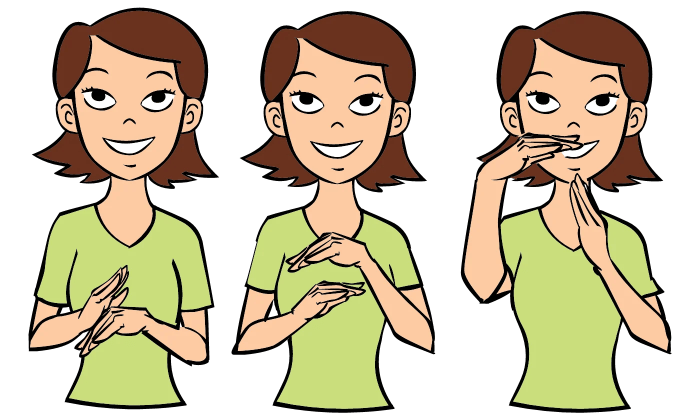
Sign language, as a visual-gestural language, is deeply rooted in the cultural contexts of its users. Understanding how the concept of “build” is expressed in different sign language communities provides valuable insight into the cultural nuances embedded within these languages. This exploration delves into regional variations, common cultural building practices, and the accompanying gestures that contribute to the rich tapestry of sign language.The concept of “build,” encompassing construction, creation, and development, is expressed differently across sign language communities due to variations in cultural norms, historical contexts, and linguistic evolution.
These distinctions are reflected in the signs themselves, as well as the accompanying gestures and expressions that provide additional context.
Regional Variations in Sign Language for “Build”, Sign language for build
Sign languages, like spoken languages, exhibit regional variations. These variations are not simply minor differences but can significantly affect how the concept of “build” is communicated. For instance, in sign languages prevalent in regions with a strong emphasis on communal building projects, the sign for “build” might incorporate elements that reflect the collaborative nature of such endeavors. Conversely, in areas where individual craftsmanship is highly valued, the sign might highlight the individual’s role in the construction process.
Signs for Common Cultural Building Practices
Numerous sign languages incorporate signs that specifically represent common cultural building practices. These signs often draw upon readily identifiable visual metaphors and cultural references. For example, in a sign language community where traditional adobe construction is prevalent, the sign for “build” might incorporate handshapes representing the characteristic shapes of adobe bricks. Similarly, in communities where wood is a primary building material, the sign for “build” could incorporate gestures that mimic the process of shaping or joining wooden components.
Cultural Significance and Sign Variations
The cultural significance of building practices significantly impacts the signs used to represent them. In cultures where community structures or sacred buildings hold profound importance, the sign for “build” may incorporate elements that emphasize the social and spiritual significance of the construction. This emphasis might be reflected in the posture or gaze accompanying the sign. In contrast, if the cultural context focuses on rapid development and technological advancements, the sign for “build” might incorporate more dynamic and modernizing gestures.
Gestures and Body Language Accompanying “Build”
The nuances of cultural expression are often reflected in the accompanying gestures and body language used with the sign for “build.” In some cultures, the sign might be accompanied by specific hand movements that mimic the layering of materials or the shaping of structures. In others, the sign might be accompanied by facial expressions that reflect the complexity of the task, the degree of satisfaction or frustration experienced, or the historical importance of the building.
For instance, a sign for “build” conveying the completion of a historically significant temple might be accompanied by a solemn expression and a posture emphasizing the grandeur of the achievement.
Epilogue
In conclusion, sign language for build demonstrates the rich expressiveness and cultural specificity inherent in visual communication. This exploration highlights the importance of understanding the variations in signs and their contexts, fostering effective communication among deaf communities and promoting a deeper appreciation for the diversity of human expression. We’ve examined the fundamental signs, the specialized signs for construction materials and processes, and the metaphorical applications of “build” across diverse contexts.
Further research could explore the impact of technological advancements on sign language and the ongoing evolution of these expressive systems.
Common Queries
What are some common misconceptions about sign language for build?
One common misconception is that signs for “build” are universally consistent across all sign languages. In reality, subtle variations in handshapes, movements, and even accompanying facial expressions exist. Another misconception is that sign language is only used for literal constructions. In fact, the concept of “build” often extends to metaphorical contexts, such as building relationships or careers.
How does the sign for “build” differ when describing constructing a house versus building a career?
While the core sign for “build” might remain similar, the accompanying signs and context significantly alter its meaning. Constructing a house might incorporate signs for specific materials, tools, and construction stages. Building a career, on the other hand, might use signs related to education, experience, and achievement.
Are there specific signs for different sizes of construction materials in sign language?
Yes, signs for construction materials can be modified to indicate size, shape, and quantity. For example, a larger-than-average piece of wood might be indicated by a wider handshape or a more expansive gesture, while a smaller piece might involve a more precise handshape. These modifications enhance the specificity of communication.
