Oromo language translator bridges the gap between cultures, enabling effective communication in the Oromo language. This exploration delves into the intricacies of translating Oromo, examining the unique challenges and opportunities in this vital linguistic field. From legal documents to literary works, the nuances of Oromo translation are explored, highlighting the importance of cultural sensitivity.
The paper provides a comprehensive overview of Oromo language translation, encompassing its history, current state, and future prospects. It will cover various aspects, including the tools and technologies employed, quality assurance methods, accessibility initiatives, and case studies. This detailed analysis aims to equip readers with a thorough understanding of this growing field.
Overview of Oromo Language Translation

The Oromo language, spoken by the Oromo people primarily in Ethiopia and parts of Kenya, is a significant language in the Horn of Africa. With a rich history and a vibrant cultural heritage, Oromo is a vital link to the identities and traditions of its speakers. Its growing use in various domains, including education, business, and governance, underscores the increasing need for accurate and culturally sensitive translations.The translation of Oromo presents unique challenges stemming from its linguistic structure and the diverse dialects within the language.
However, the growing demand for Oromo translations also offers considerable opportunities for linguistic professionals and businesses to contribute to the cultural preservation and advancement of the Oromo community. This overview will delve into the intricacies of Oromo translation, exploring its significance, challenges, and the importance of cultural sensitivity in ensuring accurate and impactful translations.
Oromo Language and its Significance
The Oromo language, a member of the Cushitic branch of the Afro-Asiatic language family, boasts a rich literary tradition and a complex grammatical structure. It’s one of the most widely spoken languages in Ethiopia, playing a vital role in the daily lives of its speakers and influencing the cultural landscape of the region. Its historical and cultural importance underscores the need for accurate and culturally sensitive translations.
Challenges and Opportunities in Oromo Translation
Translating Oromo presents unique challenges due to its complex grammatical structures and the existence of diverse dialects. Maintaining consistent meaning across different dialects is crucial, and translators need a profound understanding of the nuances of the language to avoid misinterpretations. Furthermore, the lack of readily available resources and standardized terminology in various fields creates hurdles for professional translators.
However, this presents a significant opportunity for linguistic experts to contribute to the development of standardized terminology and resources for the Oromo language.
Translation Contexts
Different translation contexts require specialized knowledge and attention to detail. For instance, translating legal documents demands precision and adherence to legal terminology, ensuring that the intended meaning is conveyed accurately. Literary works, on the other hand, necessitate a profound understanding of the nuances of the language, including idioms, metaphors, and cultural references, to capture the essence of the original text.
In technical manuals, precision and clarity are paramount to avoid misunderstandings that could lead to misapplication or errors.
Importance of Cultural Sensitivity in Oromo Translation
Cultural sensitivity is paramount in Oromo translation. Translations should accurately reflect the cultural context, avoiding any potential misinterpretations or offense to the target audience. This includes understanding cultural norms, values, and beliefs to ensure the translation is not only accurate but also respectful and appropriate. A translator’s deep understanding of Oromo culture and customs is essential to ensure effective communication.
Comparison of Oromo Language Translation with Other Language Translations
| Feature | Oromo Translation | Other Language Translations |
|---|---|---|
| Linguistic Structure | Complex grammatical structures and diverse dialects necessitate a thorough understanding of the language’s nuances. | May have varying complexities depending on the language pair. |
| Cultural Sensitivity | Crucial for accurate representation of cultural context, norms, and values. | Important in all translations, but potentially more nuanced in some language pairs. |
| Resources | Limited resources and standardized terminology for various fields. | Resources and terminology may vary in availability depending on the language pair. |
| Target Audience | Diverse audience with varying levels of language proficiency and cultural backgrounds. | Target audience characteristics may vary across different language pairs. |
This table highlights some key differences in Oromo translation compared to other language translations, emphasizing the importance of cultural sensitivity and the need for specific resources for Oromo.
Tools and Technologies for Oromo Language Translation

Oromo, a widely spoken language in Ethiopia and parts of neighboring countries, is increasingly in need of robust translation tools and technologies. This necessitates exploring various options to ensure accurate and efficient translation services, especially in the context of globalization and intercultural communication. Facilitating access to Oromo information and content for a wider audience requires effective tools.The development of machine learning models tailored to Oromo presents an opportunity to enhance the quality and accessibility of translation services.
Leveraging advancements in natural language processing (NLP) can create more accurate and nuanced translations.
Translation Tools and Software Potentially Applicable to Oromo
Various translation tools and software are available for languages worldwide. Some general-purpose tools can be adapted or modified for Oromo, while others may require specialized development to handle the nuances of the language. Examples include machine translation engines, specialized translation software, and dedicated language processing tools.
Oromo language translation services are crucial for bridging communication gaps. Similar to the need for a Navajo to English language translator, navajo to english language translator services, these tools facilitate understanding between different communities. Accurate and nuanced Oromo language translation is vital for effective communication and cultural exchange.
Online Translation Resources for Oromo
Online translation resources are becoming increasingly crucial for quick translations. There are numerous online translation services that can support Oromo. These resources provide readily accessible translation options for various purposes. Many platforms offer free translation services, although the quality can vary, and paid options may provide enhanced accuracy.
Machine Learning in Oromo Language Translation
Machine learning (ML) models play a vital role in improving the accuracy and efficiency of Oromo translation. These models can be trained on large corpora of Oromo text, enabling them to learn patterns, grammatical structures, and semantic relationships within the language. For example, a well-trained ML model can translate idiomatic expressions and culturally specific nuances more accurately than traditional rule-based systems.
This can lead to more natural and contextually appropriate translations.
Comparison of Translation Software Approaches
Different approaches to Oromo language translation have their respective strengths and weaknesses. A table summarizing the comparison follows.
| Approach | Strengths | Weaknesses |
|---|---|---|
| Rule-based systems | Can be highly accurate for specific domains if rules are carefully crafted. | Often struggle with idiomatic expressions, slang, and contextual nuances. Requires extensive linguistic expertise. |
| Statistical machine translation (SMT) | Can be trained on large corpora of translated text. Relatively inexpensive to develop. | Accuracy can be lower compared to neural machine translation (NMT) in complex cases. May not capture fine-grained semantic relationships. |
| Neural machine translation (NMT) | Capable of producing more fluent and natural translations. Can better capture semantic relationships. | Requires substantial computational resources for training. Data requirements are often high. |
| Hybrid approaches | Combine strengths of rule-based, statistical, and neural approaches. | May introduce complexity in development and maintenance. |
Quality and Accuracy in Oromo Language Translation: Oromo Language Translator

Accurate and high-quality Oromo language translation is crucial for effective communication and understanding in various contexts, from academic research to business transactions. Ensuring accuracy and maintaining linguistic integrity is paramount for conveying intended meaning and avoiding misinterpretations. This is especially vital in a language like Oromo, with its complex grammatical structures and nuanced cultural connotations.
Importance of Quality Assurance
Quality assurance in Oromo translation is essential to maintain the integrity of the source material and ensure the translated text effectively conveys the intended message to the target audience. Poorly translated Oromo text can lead to misunderstandings, misinterpretations, and ultimately, damage to reputation or credibility. This is particularly relevant in fields like legal documents, medical records, and technical manuals, where precision and accuracy are critical.
Methods for Evaluating Accuracy
Several methods can be employed to evaluate the accuracy of Oromo translations. These include comparing the translated text to the original source material, utilizing bilingual dictionaries and glossaries, and employing expert linguistic reviews. Specialized software tools can aid in identifying inconsistencies and potential errors in the translated text. The level of detail and the type of text being translated will dictate the specific evaluation methods utilized.
Role of Human Translators, Oromo language translator
Human translators play a vital role in maintaining quality and accuracy in Oromo translations. Their linguistic expertise, cultural awareness, and understanding of Oromo nuances are critical for capturing the subtleties and nuances of the original text. Human translators can adapt the translation to the target audience, ensuring the message is clear, accessible, and culturally appropriate. They can also detect and correct errors missed by machine translation algorithms.
Potential Pitfalls in Machine Translation for Oromo
Machine translation (MT) tools, while increasingly sophisticated, can encounter significant challenges when translating Oromo. Oromo’s unique grammatical structures, idiomatic expressions, and cultural context can be difficult for MT systems to accurately capture. Potential pitfalls include inaccurate word choices, inappropriate sentence structures, and loss of meaning. The use of MT should be carefully considered, with human review and refinement always recommended, especially for sensitive or critical content.
Quality Control Procedures for Oromo Language Translation Projects
The following table Artikels quality control procedures for Oromo language translation projects:
| Stage | Procedure | Description |
|---|---|---|
| Pre-Translation | Source Material Analysis | Thorough examination of the source text to identify key concepts, terminology, and potential challenges. Assessment of the target audience and context. |
| Translation | Linguistic Review | Experienced Oromo translators meticulously translate the text, paying close attention to linguistic nuances and cultural context. |
| Post-Translation | Proofreading and Editing | Multiple proofreaders, including native speakers, review the translation for accuracy, clarity, and consistency. |
| Quality Assurance | Expert Review | Final review by specialized linguists and subject matter experts, depending on the nature of the text. |
| Delivery | Document Validation | Confirmation that the final translated document meets the quality standards and requirements. |
Accessibility and Outreach of Oromo Language Translation Services

Oromo, a widely spoken language in Ethiopia and the Horn of Africa, faces challenges in accessing translation services, particularly in the digital age. Bridging this gap is crucial for promoting Oromo language and culture, fostering inclusivity, and facilitating communication among diverse communities. Effective outreach strategies are essential to ensure that Oromo language translation services reach the intended target audiences and are utilized to their full potential.Oromo language translation services are critical for numerous sectors, from education and healthcare to legal and business contexts.
Accessible and high-quality translation services empower Oromo speakers and communities to participate more fully in societal and economic life. By expanding the availability of these services, communities can overcome language barriers and foster greater understanding and collaboration.
Target Audiences for Oromo Language Translation Services
Oromo language translation services should cater to a diverse range of users. This includes students requiring educational materials, healthcare patients needing medical information, and legal clients needing court documents. Businesses looking to expand into the Oromo market will also benefit from accurate translation services.
Availability and Accessibility of Oromo Translation Services
The availability of Oromo language translation services varies widely, often lacking in rural areas and remote communities. Digital platforms, online translation tools, and volunteer translation initiatives are vital for bridging this gap. However, the quality and accuracy of these resources often remain inconsistent. The accessibility of these services needs to be improved through targeted outreach programs and infrastructure development.
Initiatives Promoting Oromo Language Translation
Numerous initiatives aim to improve the accessibility and quality of Oromo translation services. These include community-based translation programs, online translation platforms specifically targeting Oromo, and partnerships between NGOs and government agencies to provide crucial support. A key element of success is creating awareness of available resources and providing training to translators.
Role of Community Involvement in Oromo Translation
Community involvement is crucial in promoting Oromo language translation. Oromo speakers and community leaders can identify specific translation needs and provide feedback to improve the quality of translation services. Community-based translation initiatives can also empower individuals to become active participants in the translation process. Engaging local communities ensures the services are culturally appropriate and responsive to their specific needs.
Making Oromo Language Translation Resources Widely Accessible
To make Oromo language translation resources widely accessible, several key strategies should be implemented. Firstly, investing in digital infrastructure, including reliable internet access and digital literacy programs in Oromo-speaking communities, is essential. Secondly, developing partnerships between community organizations, educational institutions, and government agencies is vital for coordinating translation efforts and ensuring resource allocation. Thirdly, supporting the training of qualified Oromo translators and interpreters through specialized workshops and programs will ensure the accuracy and quality of translations.
Finally, promoting the use of online translation tools and platforms that offer Oromo translation options will enhance accessibility and encourage broader usage.
Future Trends in Oromo Language Translation
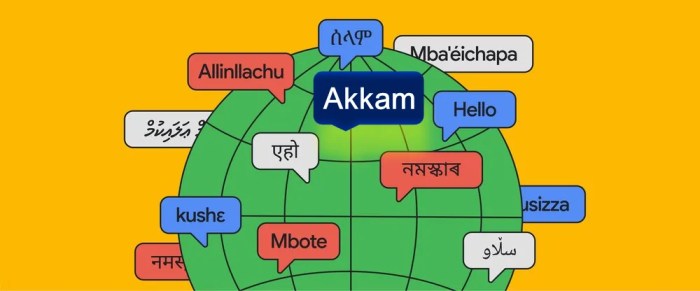
The Oromo language, with its rich history and vibrant cultural heritage, is experiencing a surge in demand for translation services. This growing need necessitates proactive planning and anticipation of future trends in translation technology and accessibility. Anticipating these developments will be crucial for ensuring the continued growth and vitality of the Oromo language and its use in various contexts.Advancements in machine learning and artificial intelligence (AI) are poised to significantly impact Oromo language translation.
The increasing availability of large language models (LLMs) and the development of specialized translation engines tailored to Oromo will likely lead to more accurate and nuanced translations. This, in turn, can foster greater access to information and opportunities for the Oromo community.
Potential Advancements in Oromo Language Translation Technology
The field of natural language processing (NLP) is rapidly evolving, offering exciting prospects for Oromo language translation. Enhanced machine learning models, trained on larger datasets of Oromo text and paired with multilingual corpora, are expected to improve translation accuracy and fluency. This includes the development of more sophisticated neural machine translation (NMT) systems, capable of handling the complexities of Oromo grammar and idiomatic expressions.
Integration of these systems into existing translation platforms and tools will further ease access and use for Oromo speakers and learners.
Emerging Needs and Challenges in Oromo Language Translation
Ensuring quality and consistency in Oromo translations will remain a critical challenge. The evolving nature of the Oromo language, including the emergence of new terms and expressions, demands ongoing updates and refinement of translation resources. Maintaining the cultural nuances and preserving the rich linguistic heritage of Oromo will be crucial. Additionally, a lack of readily available, high-quality training data in Oromo could hinder the development of effective translation tools.
This underscores the need for sustained efforts to collect and curate Oromo language data.
Potential Impact on the Oromo Community
The advancements in Oromo language translation technology will have a profound impact on the Oromo community. Improved accessibility to information, educational resources, and cultural materials will empower Oromo speakers and learners. This will also facilitate greater participation in the global community and contribute to the preservation of Oromo cultural identity. Increased access to online resources, like e-learning platforms and digital libraries, will be vital for fostering education and knowledge dissemination.
Examples of Successful Oromo Language Translation Projects
Successful Oromo language translation projects, though not exhaustive, illustrate the potential of these technologies. Examples include initiatives that translated educational materials, enabling Oromo students to access a wider range of knowledge. Translation of government documents into Oromo ensures better communication and engagement with the Oromo community. Projects that translate literary works or cultural materials into Oromo contribute to preserving and promoting the rich literary heritage of the Oromo people.
Table of Possible Future Developments and Their Implications
| Future Development | Potential Implications |
|---|---|
| Development of more sophisticated Oromo language NMT systems | Improved translation accuracy and fluency, reduced reliance on human translators in certain contexts, greater accessibility to translated materials. |
| Increased availability of Oromo language corpora | Enhanced training data for machine translation models, improved translation quality, better support for the development of new Oromo language technologies. |
| Integration of Oromo language translation tools into mobile apps and online platforms | Greater accessibility to translation services, increased use of Oromo language online, facilitation of intercultural communication. |
| Addressing the digital divide and promoting digital literacy among Oromo communities | Greater utilization of Oromo language translation technologies, enhanced participation in online communities, expanded access to information and resources. |
Wrap-Up

In conclusion, Oromo language translation is a vital undertaking, crucial for fostering communication and understanding within the Oromo community and beyond. The challenges and opportunities are substantial, and the future of Oromo language translation promises exciting developments, driven by advancements in technology and a commitment to cultural sensitivity. By understanding the intricacies of this field, we can support the growth and preservation of the Oromo language.
Question Bank
What are some common pitfalls in machine translation for Oromo?
Machine translation, while rapidly improving, can struggle with nuanced cultural references, idiomatic expressions, and the complexities of Oromo grammar. Contextual understanding and human review are still essential for achieving accurate and culturally appropriate translations.
What are some examples of successful Oromo language translation projects?
Examples include translations of important legal documents, educational materials, and literary works. Specific examples will be provided in the case studies section.
How can community involvement be leveraged to promote Oromo translation?
Engaging native Oromo speakers in translation projects, providing training, and establishing online forums can help ensure accuracy and cultural relevance.
What online translation resources are specifically available for Oromo?
A list of online resources will be included in the Tools and Technologies section. This includes both dedicated Oromo translation tools and broader platforms capable of handling Oromo.
